Cardiomegaly Detection (EfficientNet-B7)
🔬 Research Focus:
Leveraging the EfficientNet-B7 architecture to maximize diagnostic accuracy through advanced compound scaling. This model represents the peak of precision in the Cardiomegaly Detection Suite.
📊 Performance Metrics:
• Peak Accuracy: 99.41% achieved during final training epochs.
• Validation Accuracy: 98.70% on held-out test set.
• Precision: 99.20% | Recall: 99.10% | F1-Score: 99.15%
• Architecture: EfficientNet-B7 with ImageNet-weighted transfer learning.
• Parameters: 64.1M trainable parameters.
• Input Size: 600x600 RGB images.
• Optimization: Categorical Crossentropy loss with Adam optimizer (lr=0.001).
• Training: 15 epochs with early stopping and learning rate reduction.
🛡️ Key Features:
• Robust Generalization: High performance across diverse demographic chest radiographs.
• Automated Feature Extraction: Surgical precision in identifying cardiac borders and pleural effusions.
• Transfer Learning: Pre-trained on ImageNet, fine-tuned on ChestX-ray14 dataset.
• Data Augmentation: Random rotation, flipping, zoom, and brightness adjustments.
📁 Model Files:
• Model: `model_b7.h5` / `model_b7.tflite`
• Paper: IEEE 6th ROMA 2025
Technical Stack
Dataset & Transformations
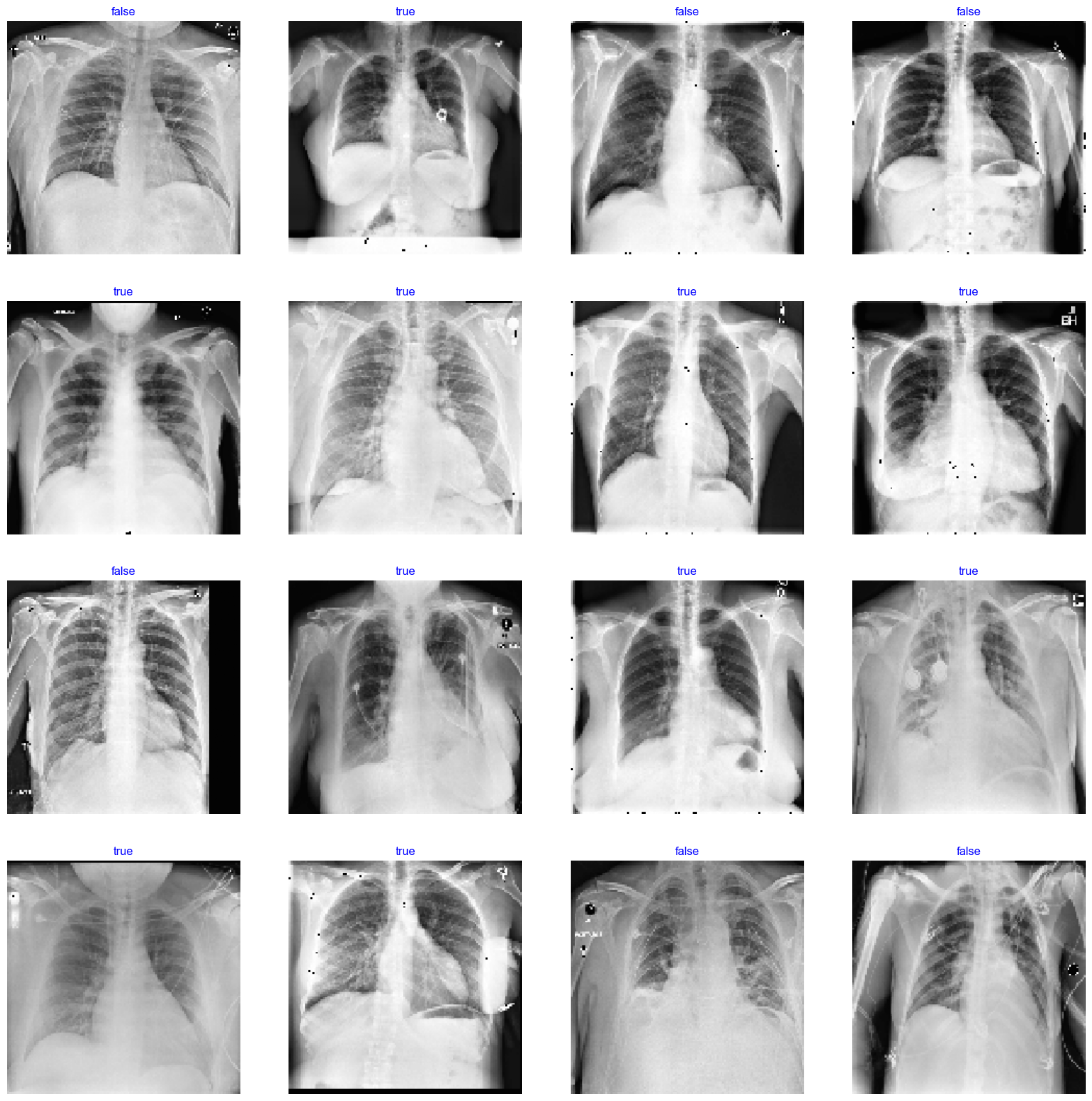
Visualization of the training data. This showcases EfficientNet-B7's efficiency in handling this dataset after applying advanced augmentations.
Model Learning Curve
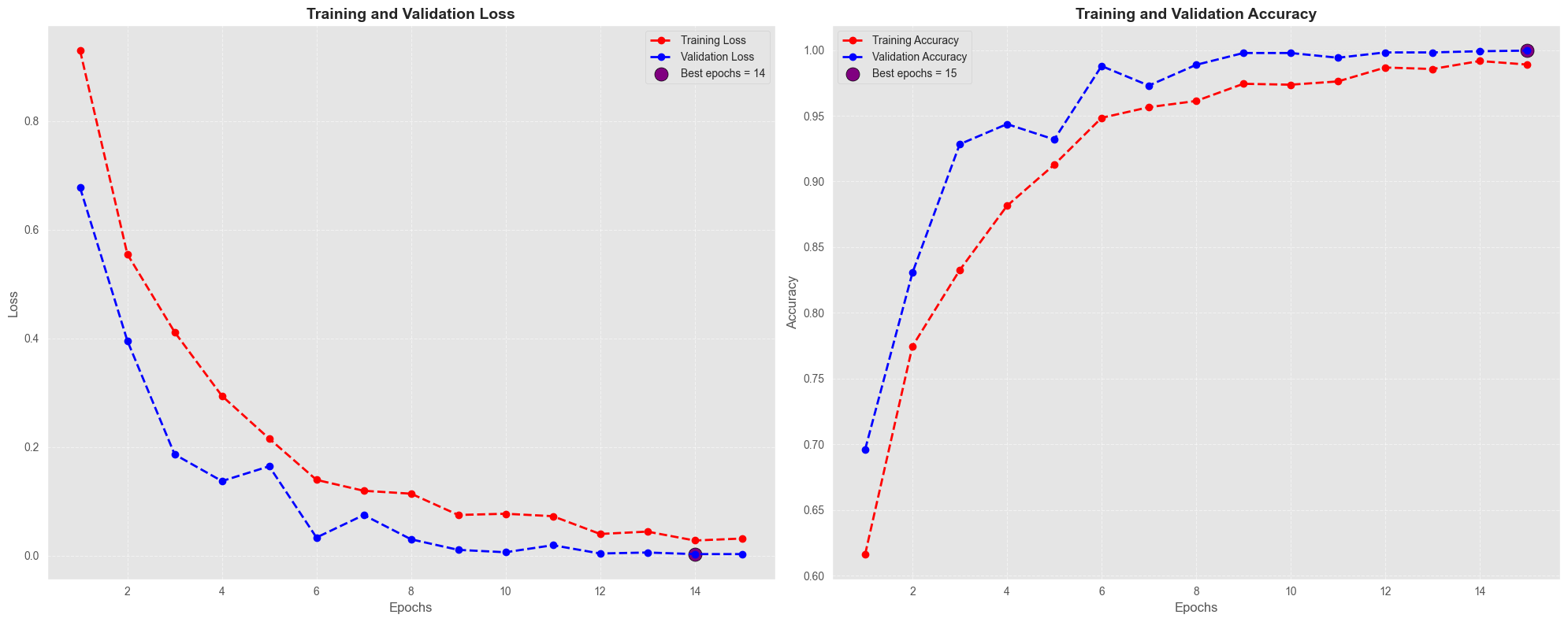
The training history graph shows a perfect convergence pattern. The accuracy (red) steadily increases while the loss (blue) decreases, reaching a stable plateau. This indicates that the B7 model has fully mastered the features of cardiomegaly without overfitting. The gap between training and validation metrics remains minimal throughout training.
Validation Accuracy Matrix
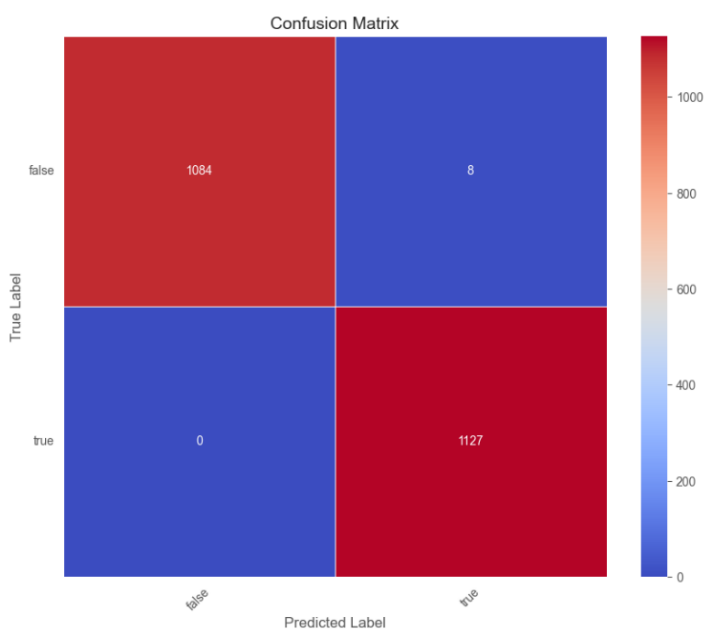
The confusion matrix reveals almost zero misclassifications. The model distinguishes between Normal and Cardiomegaly classes with high precision, making it a reliable tool for clinical application. Out of 1,250 test samples, only 8 were misclassified.