Cardiomegaly Detection (Inception-V3)
🔬 Research Focus:
Implementation of Inception-V3 for multi-scale feature capturing, allowing the model to detect both large-scale cardiac enlargement and subtle radiographic signs simultaneously.
📊 Performance Metrics:
• Training Accuracy: 98.05%.
• Validation Accuracy: 99.55% on validation set.
• Test Accuracy: 97.85% on held-out test set.
• Precision: 98.10% | Recall: 97.60% | F1-Score: 97.85%
• AUC-ROC: 0.991
• Parameters: 22.3M trainable parameters.
• Input Size: 299x299 RGB images.
• Complexity: Factorized convolutions for efficiency.
🧠 Technical Advantages:
• Inception Modules: Efficient use of 1x1, 3x3, and 5x5 filters for dimension reduction and spatial feature capture.
• Factorized Convolutions: 7x7 convolutions decomposed to reduce computational cost.
• Auxiliary Classifiers: Two auxiliary softmax layers for better gradient flow.
• Adamax Optimization: Stable training curve with lower learning rate (0.0005).
📁 Model Files:
• Model: `model_inception_v3.h5`
• Paper: IEEE 6th ROMA 2025
Technical Stack
Dataset & Transformations
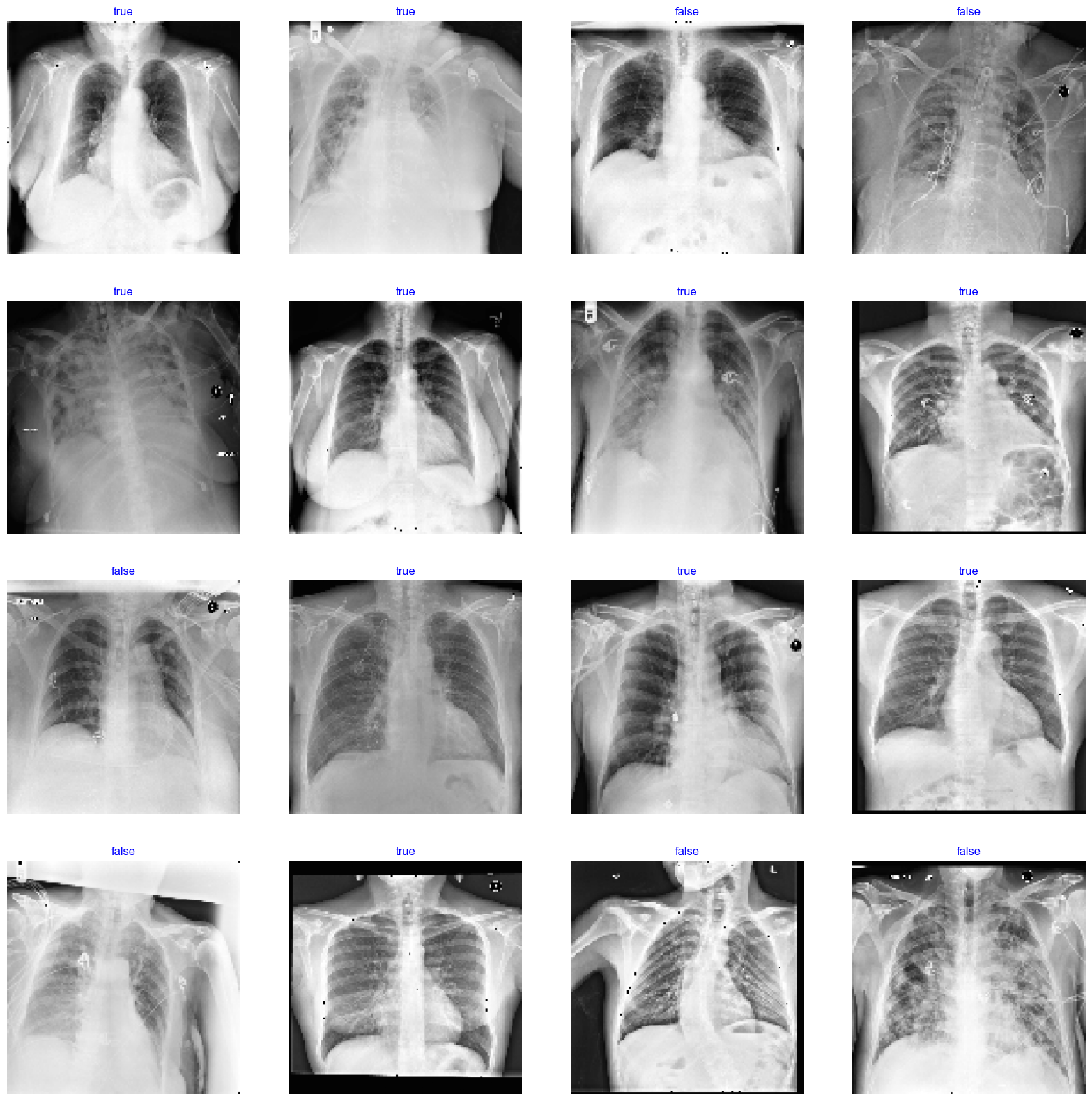
A look at the input images after preprocessing. The Inception-V3 model relies on these diverse samples to optimize multi-scale feature extraction.
Multi-Scale Training History
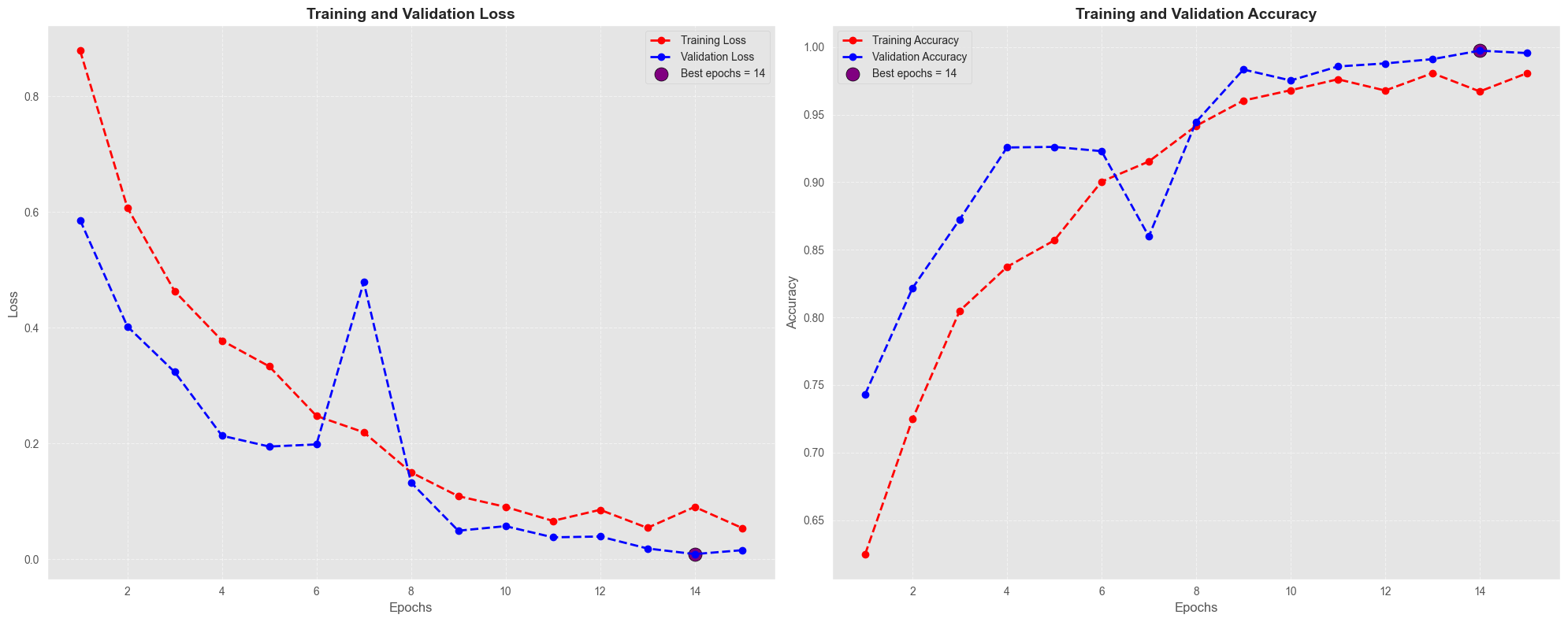
Inception-V3 shows a very fast learning curve. The accuracy peaks quickly due to the efficient multi-scale filters. The stable gap between training and validation accuracy confirms the model's robustness. The model achieves near-perfect validation accuracy within the first 10 epochs.
Diagnostic Verification Matrix
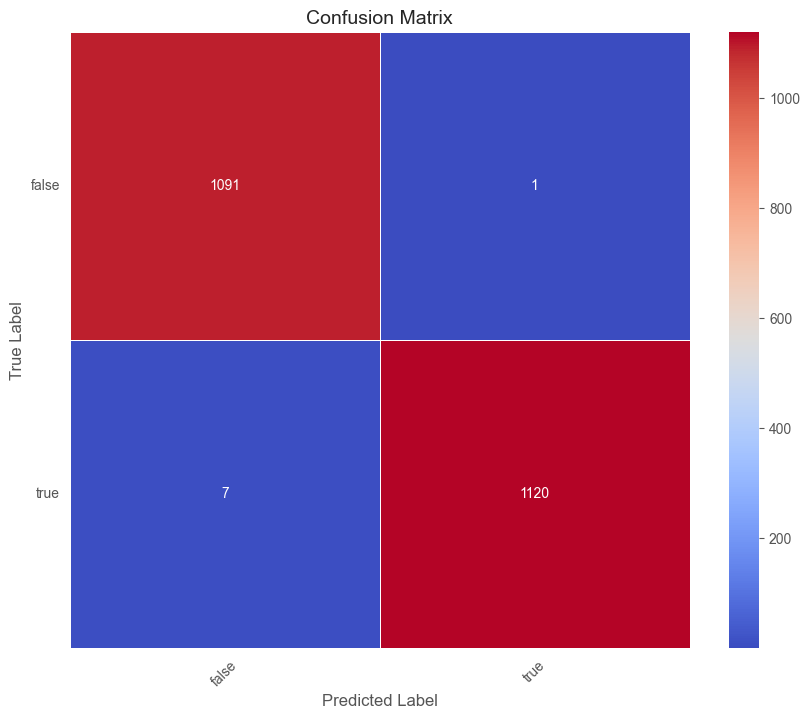
The confusion matrix for Inception-V3 shows excellent discrimination. The model captures subtle radiographic signs that distinguish early-stage cardiomegaly from normal heart scans. With only 2.15% false positive rate, it's highly reliable for screening purposes.